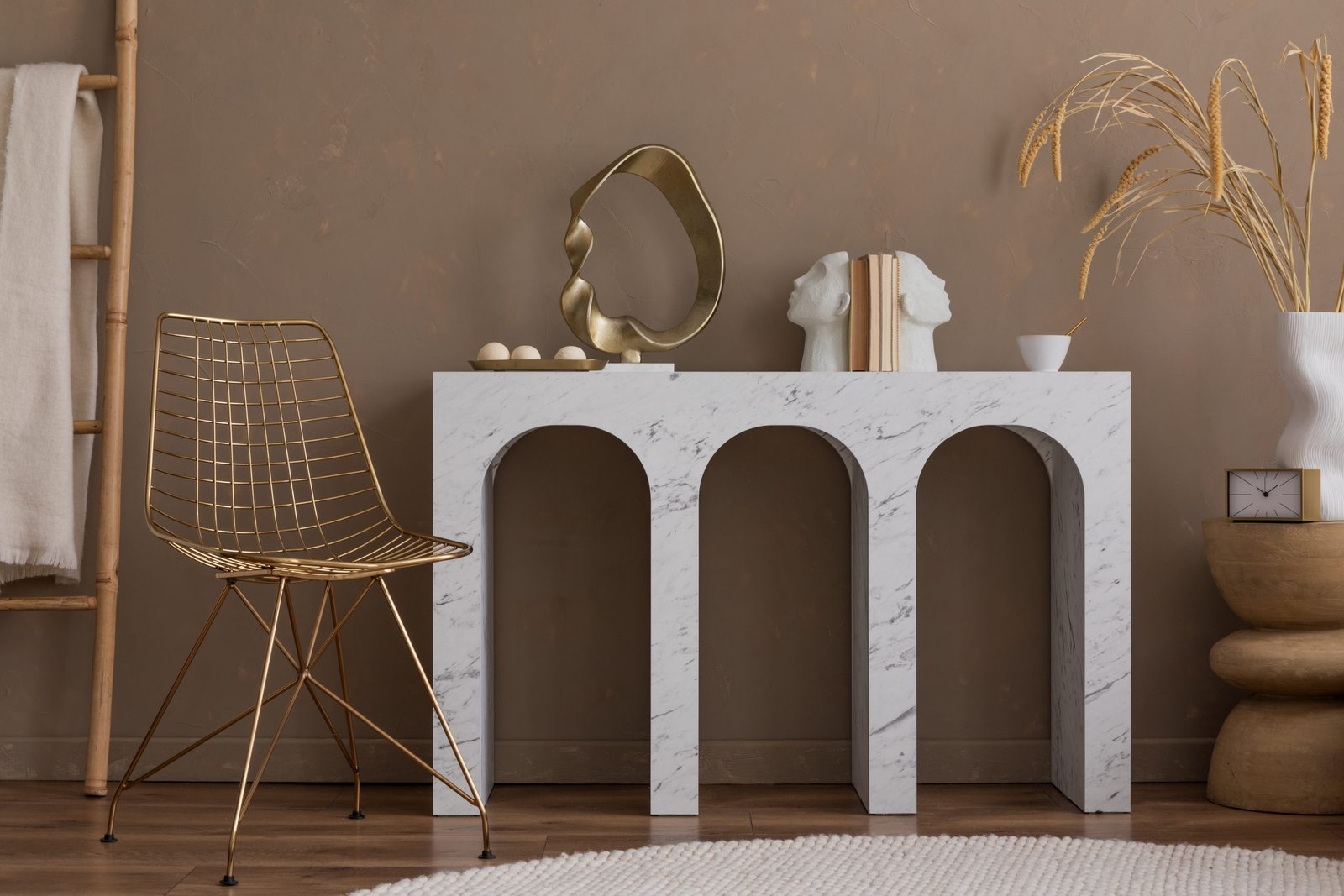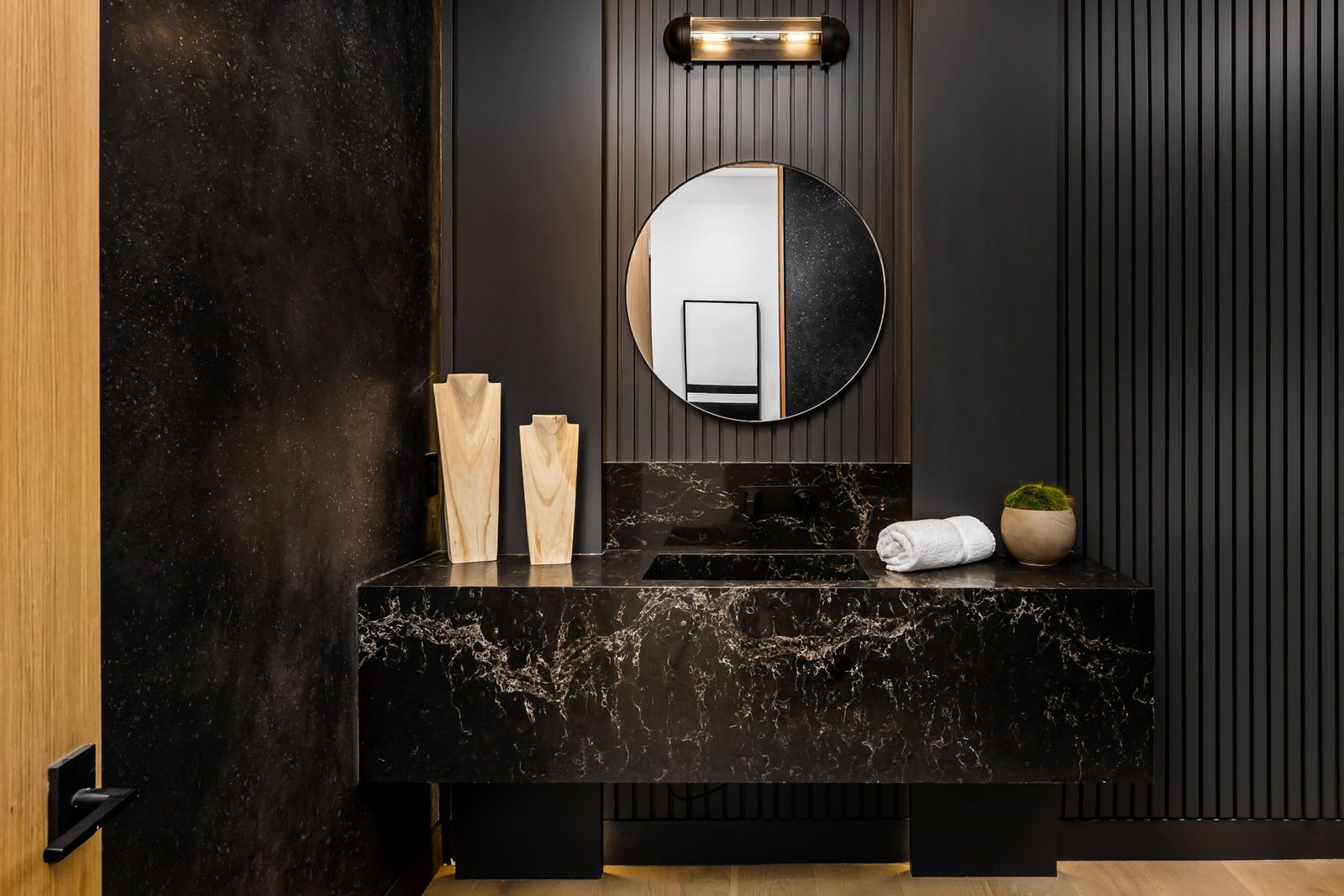
Natural stone care changes depending on the finish. The same material can look and behave differently when it is polished, honed, leathered, brushed, or textured. A polished marble surface may show reflection and depth, while a honed limestone surface may feel softer and more architectural.
Understanding the finish helps homeowners, designers, and project teams set better expectations. Care is not only about the type of stone. It is also about how the surface has been finished and how that finish interacts with light, touch, use, and maintenance.
1. Polished Stone Finishes
A polished finish creates a smooth, reflective surface. It can make veining appear sharper, color feel deeper, and natural movement look more pronounced. Polished marble, quartzite, granite, and onyx are often selected when the design calls for a more formal, luminous, or refined appearance.
Because polished finishes reflect light, they can also reveal surface changes more clearly. Etching, dull spots, fine scratches, and residue may be more noticeable than on a softer finish.
Care considerations for polished stone:
- Use soft cloths and non-abrasive cleaning tools.
- Avoid acidic cleaners, especially on marble, limestone, travertine, and onyx.
- Dry the surface after cleaning to reduce streaking.
- Avoid dragging metal, ceramic, or heavy decorative objects.
- Ask a professional if the finish becomes cloudy or uneven.
Cleaning cannot always restore a damaged polished finish. If the stone has lost its shine due to etching or wear, it may require professional refinishing.
2. Honed Stone Finishes
A honed finish has a softer, matte appearance. It does not reflect light the same way a polished surface does. This can make the stone feel quieter, more contemporary, or more architectural.
Honed finishes are often used when the design goal is restraint. They can work well in bathrooms, fireplace surrounds, wall applications, floors, vanities, and other areas where the material should feel refined without high shine.
Because honed stone is less reflective, minor marks may be less visually obvious. However, honed finishes can sometimes be more absorbent depending on the material and may show oils, fingerprints, or moisture marks differently.
Care considerations for honed stone:
- Clean with pH-neutral stone-safe products.
- Dry after cleaning to reduce water marks.
- Use trays under oils, soaps, candles, and toiletries.
- Review sealing needs based on the stone type and application.
- Avoid assuming matte means maintenance-free.
Honed stone has a softer visual character, but it still needs careful product selection and routine care.
3. Leathered, Brushed, and Textured Finishes
Textured finishes add tactile depth to natural stone. A leathered finish can make the surface feel softer and more dimensional. Brushed, flamed, or other textured finishes can reveal more of the stone’s natural structure.
These finishes are often selected when the design needs a more organic or architectural feel. They can work well for bars, fireplaces, furniture surfaces, wall details, and other areas where texture is part of the design.
The care difference is that textured surfaces may retain dust, residue, or moisture in their surface variations more than a smooth finish. They may need a soft brush or more careful rinsing and drying.
Daltile notes that some textured stones may require different cleaning methods or additional procedures, so the finish type should be considered when planning maintenance.
Care considerations for textured stone:
- Use soft brushes only when needed.
- Rinse thoroughly after cleaning.
- Dry the surface well to avoid residue settling into the texture.
- Avoid waxy or heavy products that may build up.
- Test cleaning products in a discreet area when appropriate.
Textured finishes can be beautiful, but they should be maintained with attention to the surface’s natural variation.
4. Matching Finish to Use
The right finish should match the way the stone will be used. A high-reflective finish may be ideal for a formal feature, while a honed or textured finish may suit a quieter, more tactile space.
Consider these questions:
- Will the surface be touched often?
- Will it be viewed under strong natural or artificial light?
- Should the stone feel glossy, matte, or textured?
- Will the surface be exposed to moisture, oils, soaps, or frequent cleaning?
- Should the finish feel formal, relaxed, architectural, or organic?
These questions help connect the finish to the design intent and daily use.
5. Finish Changes the Experience of Stone
Finish affects more than appearance. It changes how the stone feels, how it reflects light, how it shows marks, and how it should be cleaned. Polished stone can feel luminous and refined. Honed stone can feel calm and architectural. Textured stone can feel organic and tactile.
The strongest natural stone selections consider both the material and the finish from the beginning.
Related main article placeholder: Caring for Natural Stone: Sealing, Polishing, and Everyday Habits for Lasting Beauty
Explore Natural Stone Finishes with Bottega Surfaces
Bottega Surfaces offers curated marble, quartzite, limestone, granite, onyx, and specialty natural stone in a range of finishes for refined residential and commercial interiors.
Schedule a Showroom Visit, Book an Online Inquiry, or View Stock to explore available natural stone selections.