Backlit stone changes the way natural material is experienced. Instead of being seen only as a surface, the stone becomes part of the room’s lighting, mood, and architecture. Veining becomes more pronounced. Translucent layers begin to glow. A wall, bar, or surface that might already feel refined becomes atmospheric.
For luxury residential and commercial interiors, backlit stone designs offer a more immersive way to use natural material. Cristallo quartzite, onyx, and other translucent stones can create feature walls, bar fronts, reception areas, powder rooms, and hospitality details with depth and visual presence.
This type of design is not about adding more decoration. It is about allowing the stone’s natural structure to interact with light.
Why Backlit Stone Creates a Different Design Experience
Most natural stone is appreciated through its color, movement, and texture. Backlighting adds another layer. It reveals depth within the material and allows the stone to shift depending on the lighting level, time of day, and surrounding finishes.
In a softly lit room, backlit stone can create warmth and atmosphere. In a hospitality setting, it can help define a bar, lounge, reception wall, or arrival moment. In a private residence, it can make a powder room, wine room, wet bar, or feature wall feel more intentional.
The effect is especially powerful because the light passes through the stone rather than reflecting only off its surface. This gives the material a dimensional quality that paint, wallpaper, tile, or standard wall panels cannot easily achieve.
Backlit stone works best when it has a clear role in the room. It should not compete with too many other strong design elements. The more focused the surrounding palette, the more the stone can lead.
Cristallo Quartzite as a Luminous Surface
Cristallo quartzite is often selected for backlit applications because of its pale, crystalline appearance and the ability of certain slabs to transmit light. Its visual character can range from soft and icy to warmer, cloudier, or more mineral-rich, depending on the specific selection.
In feature wall applications, Cristallo quartzite can create a refined and contemporary effect. It has enough movement to feel natural, but it can also remain clean and architectural when paired with restrained millwork, glass, plaster, metal, or neutral finishes.
Cristallo quartzite can work well for:
- Feature walls
- Bar fronts
- Reception desks
- Powder room walls
- Wine room details
- Spa-like interiors
- Statement panels
- Decorative wall niches
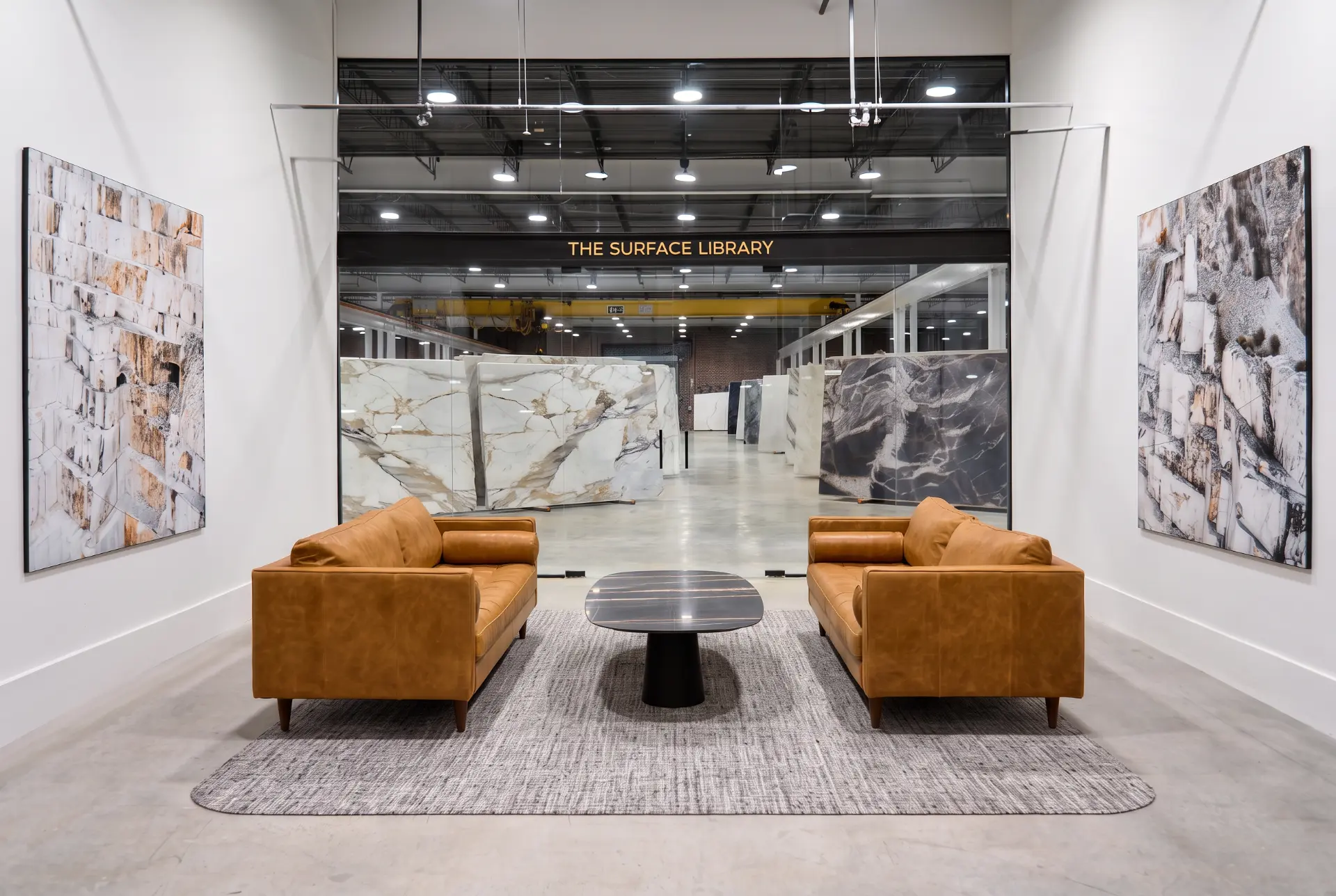
The key is selecting the right slab. Not every quartzite will respond to backlighting in the same way. Full slab viewing, lighting tests, and design coordination are important before finalizing the material.
Onyx and Other Translucent Stones
Onyx is one of the most recognized natural stones for backlit applications because of its translucency, color variation, and layered appearance. When illuminated, onyx can reveal mineral patterns that may not be as visible under standard lighting.
While onyx can create a more dramatic effect than Cristallo quartzite, it also requires thoughtful placement. It is often best used in areas where visual impact matters more than heavy daily wear.
Strong uses for backlit onyx include:
1. Hotel lobby walls
2. Restaurant and cocktail bar fronts
3. Reception areas
4. Powder rooms
5. Decorative wall panels
6. Spa and wellness interiors
7. Private lounge spaces
For additional design context, Livingetc notes that backlit stone has moved beyond hospitality spaces and is now appearing in high-end residential interiors, especially in bars, bathrooms, and atmospheric feature areas.
This shift reflects a broader design interest in natural materials that do more than cover a surface. They define the mood of the room.
Feature Walls with Architectural Presence
A stone feature wall should feel integrated into the architecture, not simply applied as decoration. Backlit stone is especially effective when the wall is designed with proportion, lighting, and surrounding materials in mind.
A successful feature wall usually considers:
- The size of the stone panels
- The direction of veining or mineral movement
- The type and placement of lighting
- The surrounding wall finish
- Adjacent millwork or shelving
- How the wall will be viewed from different areas of the room
- Whether the stone should glow subtly or become a dramatic focal point
For residential projects, a backlit stone wall can bring atmosphere to powder rooms, private bars, wine rooms, spa bathrooms, and formal entertaining areas.
For commercial projects, it can create a memorable arrival point in hotel lobbies, restaurants, luxury retail spaces, and reception areas.
A luxury stone feature wall in Charleston, Atlanta, or Charlotte should not feel generic. It should respond to the surrounding architecture, light, and purpose of the space.
Backlit Stone for Bars and Hospitality Spaces
Bars are one of the strongest applications for backlit stone because they are naturally connected to the atmosphere. A bar surface or bar front is seen by guests, approached directly, and often experienced under evening or ambient lighting.
Backlit Cristallo quartzite, onyx, or other translucent stone can help a bar feel more immersive. It can create a sense of depth behind bottles, below a counter, or across a front-facing panel.
Design considerations for bar applications include:
1. Lighting temperature
2. Consistency of illumination
3. Visibility of veining
4. Panel size and seams
5. Relationship to shelving and millwork
6. Maintenance and access to lighting components
7. Overall mood of the space
The lighting should reveal the stone, not overpower it.
Powder Rooms and Smaller Feature Areas
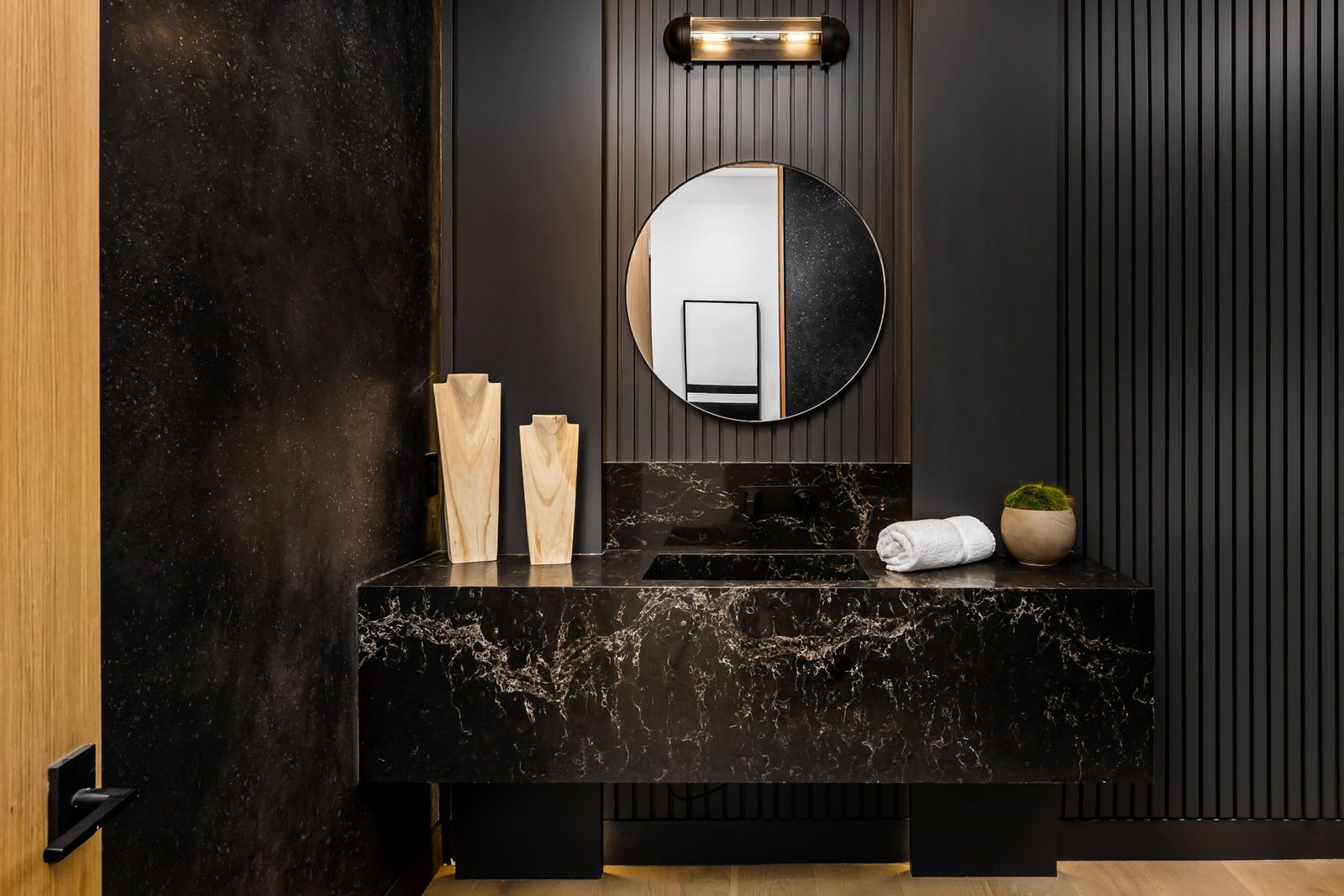
A small room can be one of the most effective places to use backlit stone. Powder rooms, niches, alcoves, and smaller wall features allow a dramatic material to be used with control.
Because these spaces are compact, the stone does not need to cover a large area to make an impact. A single illuminated wall, vanity backdrop, or recessed panel can define the room.
In smaller spaces, restraint is important. The surrounding finishes should support the stone. Simple fixtures, controlled lighting, and quiet wall treatments usually allow the material to feel more refined.
Choosing the Right Stone for Backlighting
Not every natural stone is suitable for backlighting. The material must be sufficiently translucent for light to pass through in a way that enhances the design.
Before selecting a stone, consider:
- Does the slab transmit light evenly?
- Does the veining become more attractive when lit?
- Are there areas that appear too opaque?
- Will the lighting expose unwanted shadows or inconsistencies?
- Does the material suit the room’s scale and mood?
- Will the design require access to lighting components?
A stone that looks beautiful under standard showroom lighting may look very different when illuminated from behind. Testing is important.
Related micro content placeholder: [How to Choose Stone for a Backlit Feature Wall]
Explore Backlit Stone with Bottega Surfaces
Cristallo quartzite, onyx, and translucent specialty stones can bring atmosphere, depth, and architectural presence into refined interiors. Whether used for a feature wall, bar, reception area, powder room, or hospitality space, backlit stone should be selected with both material character and lighting intent in mind.
Bottega Surfaces offers curated quartzite, onyx, limestone, granite, and specialty natural stone for luxury residential and commercial interiors.
Schedule a Showroom Visit, Book an Online Inquiry, or View Stock to explore available natural stone selections.