Lowcountry interiors often feel most refined when the materials are chosen with restraint. The design does not need to feel overly coastal or overly formal. It needs texture, warmth, softness, and a clear relationship with the surrounding architecture.
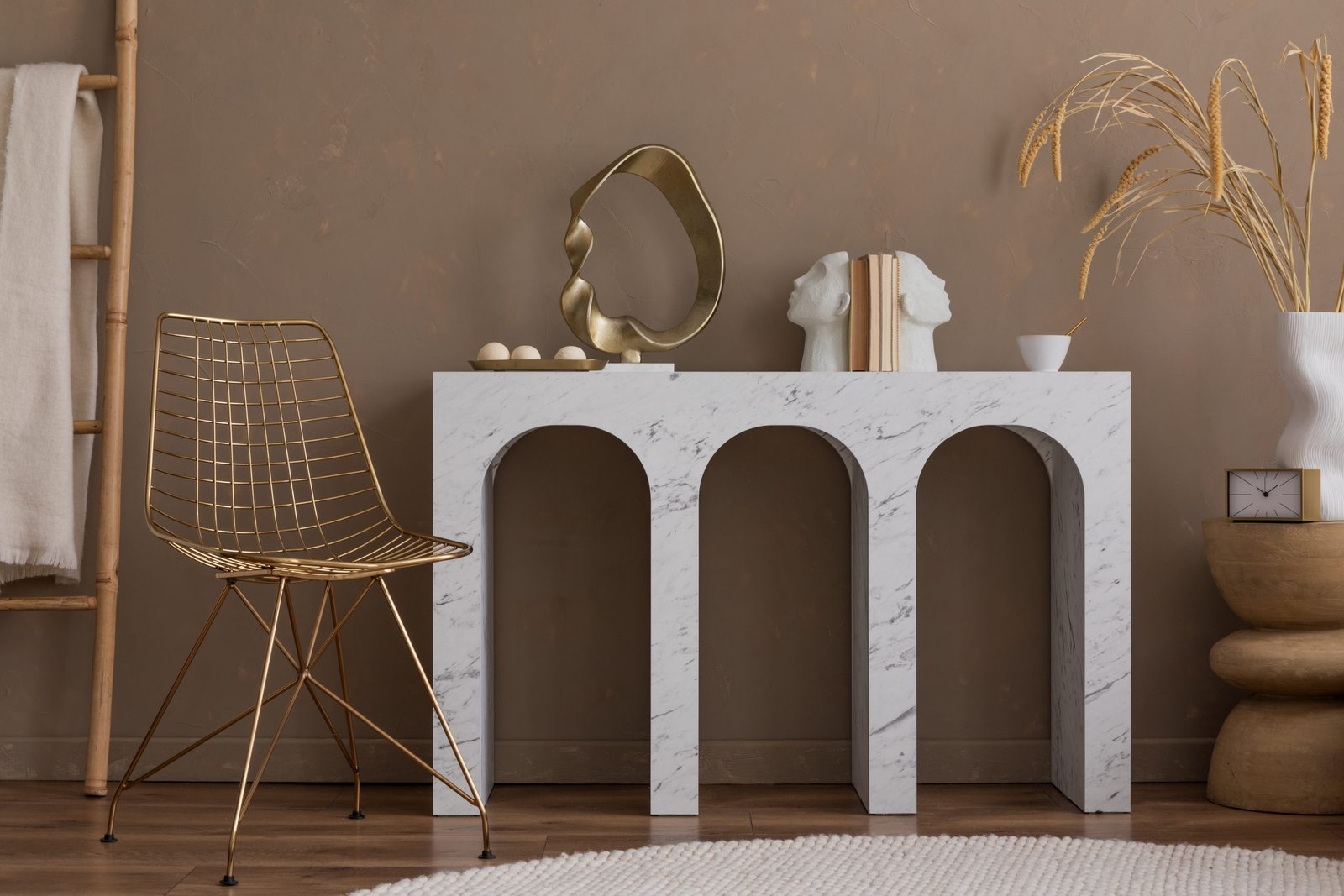
Natural stone works well in Charleston and Lowcountry interiors because it can support that balance. A pale marble can bring light into a room. A warm quartzite can soften the palette. Limestone can add a quiet texture. Blue, grey, or green stone can introduce a subtle connection to the landscape without becoming literal.
The strongest approach is not to choose stone by trend. It is to choose a stone by the atmosphere.
1. Light Stone for Airy, Refined Rooms
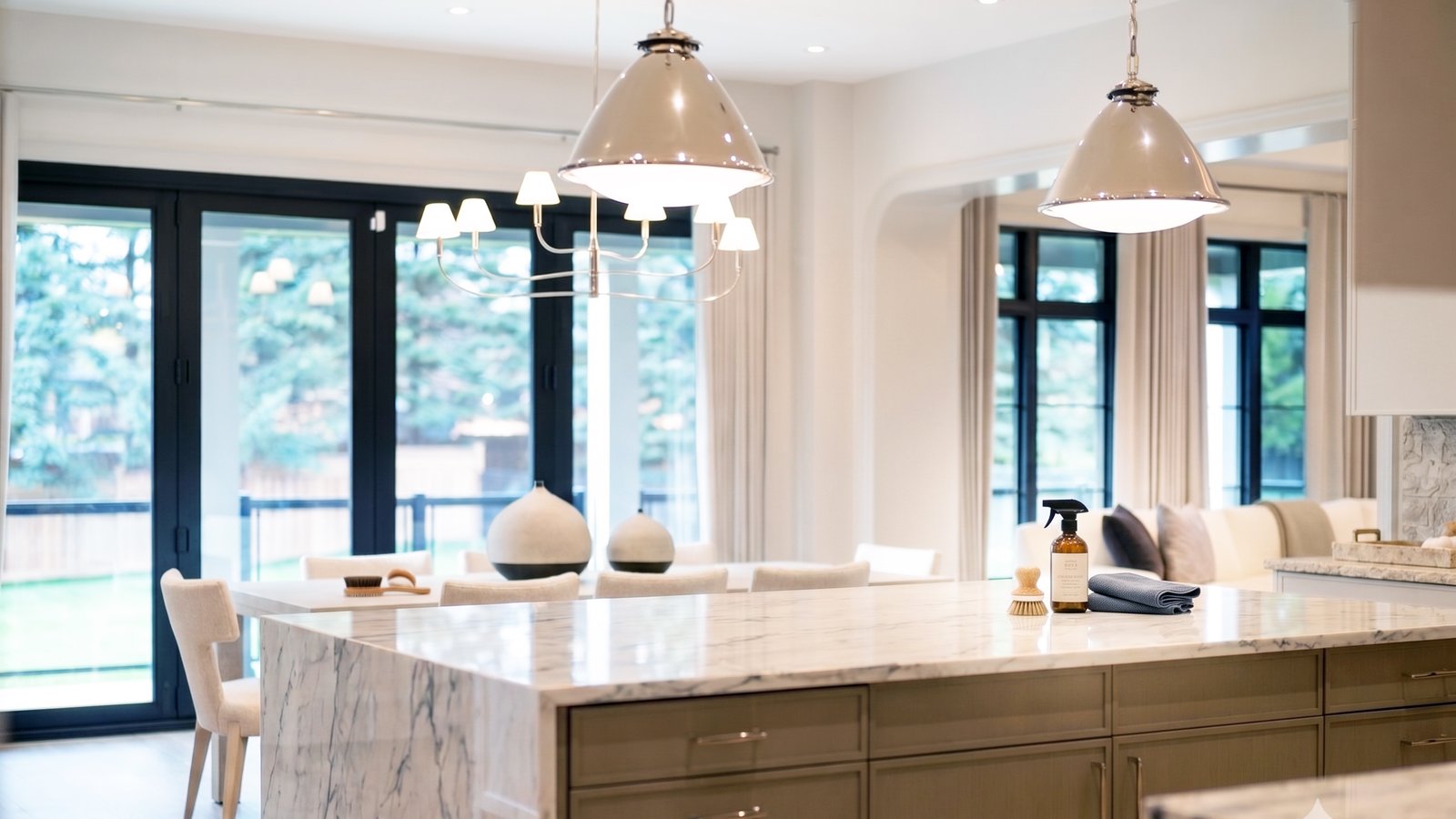
Light-toned natural stone can help a room feel open, calm, and polished. In Charleston homes, this can be especially useful in spaces where natural light, painted millwork, and soft textiles already play a major role.
Light marble, pale quartzite, and softer limestone can work beautifully for:
- Bathroom vanities
- Fireplace surrounds
- Powder room walls
- Shower walls
- Bar backs
- Table surfaces
- Decorative ledges
The key is to avoid making the space feel too flat. A light stone should still have enough movement, mineral detail, or texture to feel natural.
2. Warm Stone for Relaxed Elegance
Warm stone can make a refined interior feel more inviting. Beige, cream, taupe, honey, and soft gold undertones can bring comfort into rooms that might otherwise feel too cool.
Warm quartzite and limestone are especially useful when paired with:
- White oak
- Plaster walls
- Linen upholstery
- Brass or bronze finishes
- Soft white paint
- Natural woven textures
These materials can support a relaxed luxury look without making the room feel informal. The warmth should feel layered, not heavy.
3. Limestone for Quiet Architectural Texture
Limestone can bring a softer architectural presence into Lowcountry interiors. It does not always call attention to itself immediately, but it can make a space feel more grounded and complete.
Limestone works well when the goal is texture rather than strong veining. It can support fireplaces, wall details, carved elements, ledges, and other architectural features where a quieter material is preferred.
This makes limestone especially useful in rooms that need depth but not visual drama.
4. Blue, Grey, and Green Stone for Coastal Reference
A coastal interior does not need shells, nautical colors, or obvious references to the water. Natural stone can suggest the landscape in a more refined way.
Blue, grey, and green stones can bring a subtle coastal character into a room without making the design feel themed.
Consider these applications:
- Bue stone surface in a bar or powder room
- Grey stone fireplace in a formal living area
- Green stone accent in a vanity or wall detail
- Blue-grey stone table surface in a lounge
- Softly veined stone features in a hospitality space
Used carefully, these stones can bring personality while still feeling elevated.
5. Dark Stone for Contrast and Depth
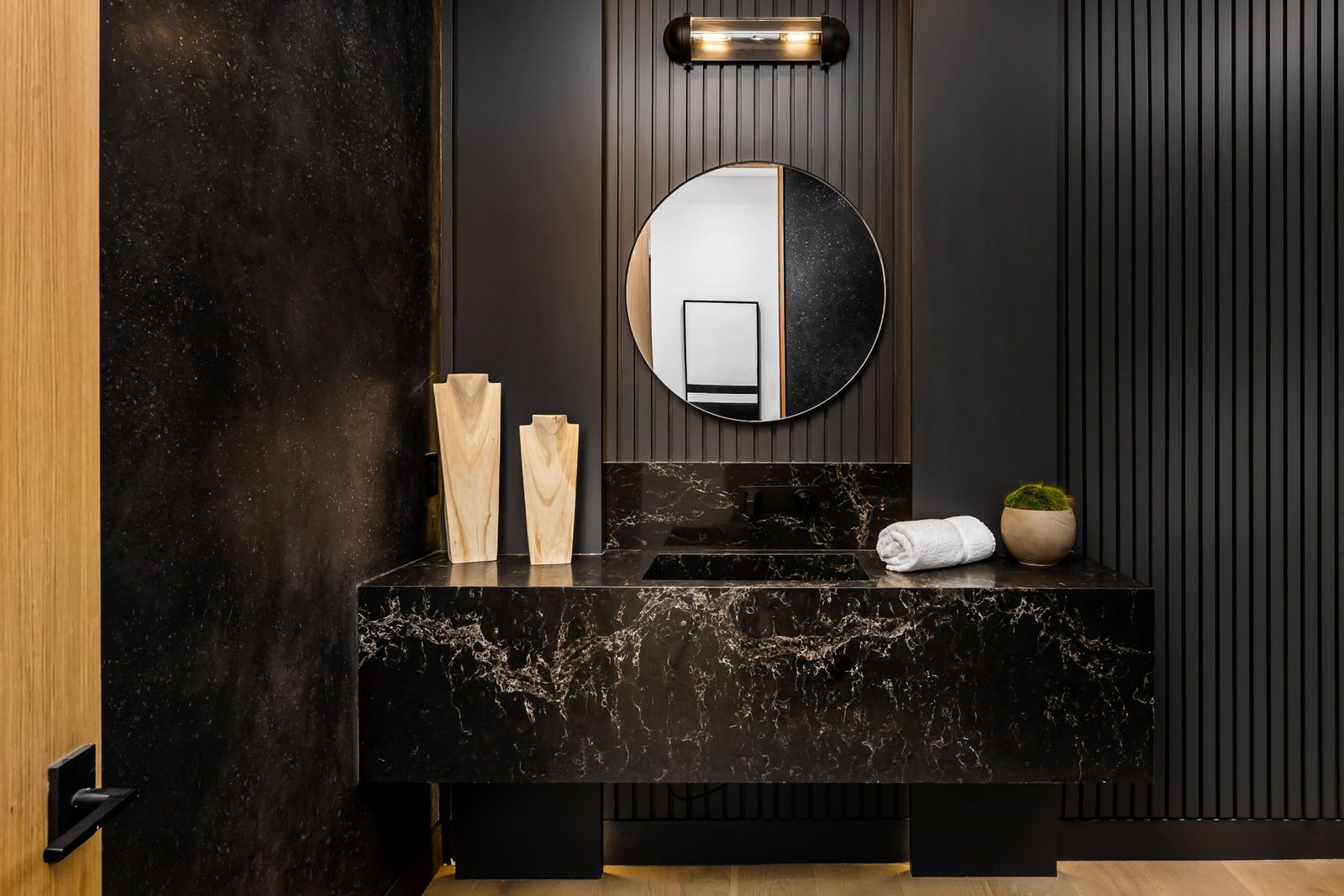
Lowcountry interiors often rely on light, softness, and warmth, but contrast is still important. Dark stone can add structure to a room and prevent the palette from becoming too pale.
Dark marble, granite, quartzite, or specialty stone can work well in:
- Fireplaces
- Bar surfaces
- Powder rooms
- Reception areas
- Dining rooms
- Lounge spaces
The best dark stone applications are usually balanced with warm lighting, natural wood, or softer wall finishes. This keeps the room from feeling too severe.
6. Material Pairing Matters
Natural stone should not be selected on its own. It should work with the room’s full palette.
Before choosing a slab, consider:
- Is the room warm or cool?
- Are the walls painted, plastered, paneled, or textured?
- Will the stone sit near wood, tile, metal, or glass?
- Should the stone add contrast or blend softly?
- Will the surface be viewed closely or from across the room?
- Does the space need quiet texture or a stronger focal point?
These questions help turn stone selection into a design decision, not just a material choice.
For a broader context on Charleston’s relationship with preservation and sense of place, the National Park Service notes how Charleston’s preservation movement expanded from individual buildings to entire neighborhoods.
Explore Natural Stone for Lowcountry Interiors
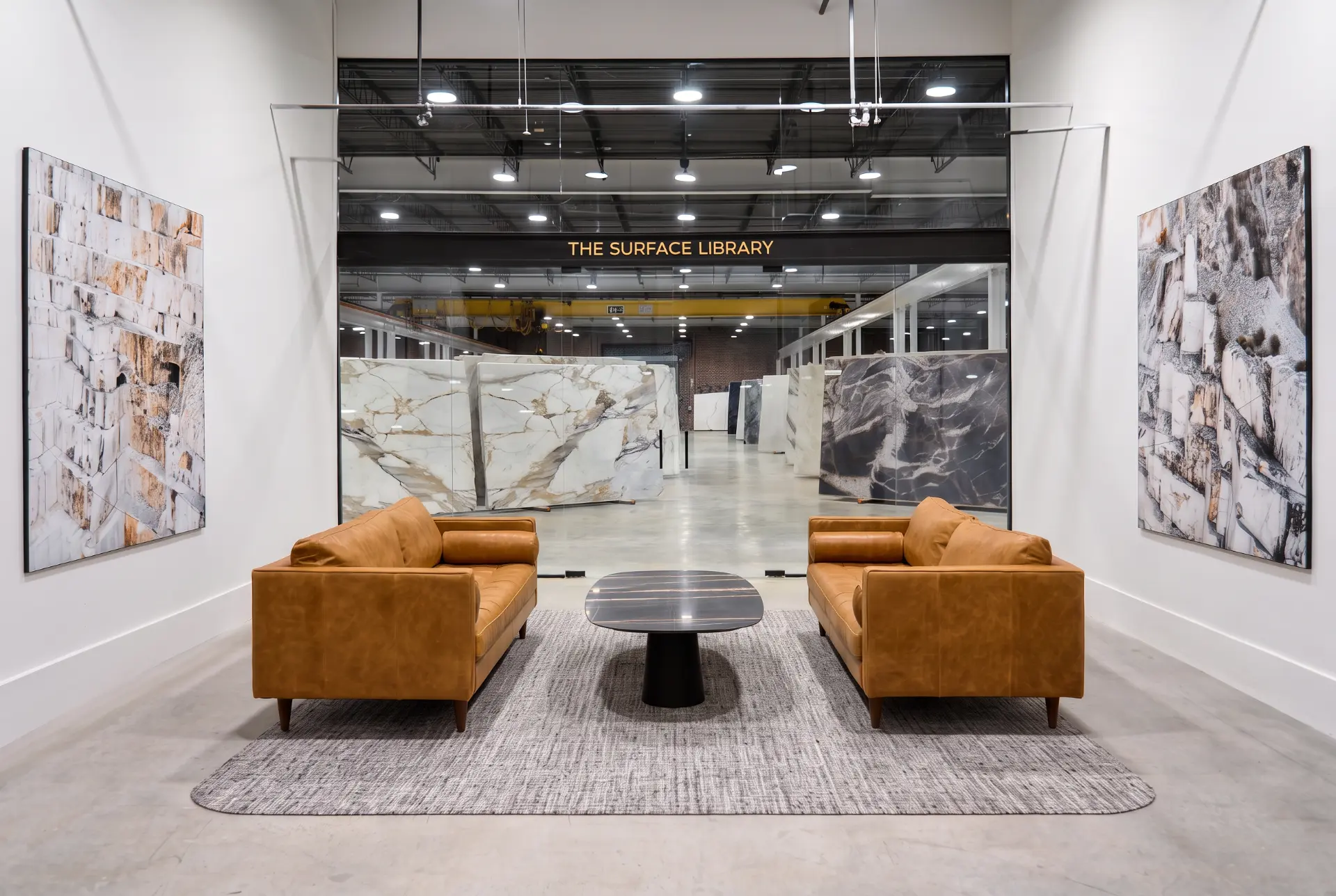
Bottega Surfaces offers curated marble, quartzite, limestone, granite, and specialty natural stone for refined residential and commercial interiors in Charleston and beyond.
Schedule a Showroom Visit, Book an Online Inquiry, or View Stock to explore available natural stone selections.