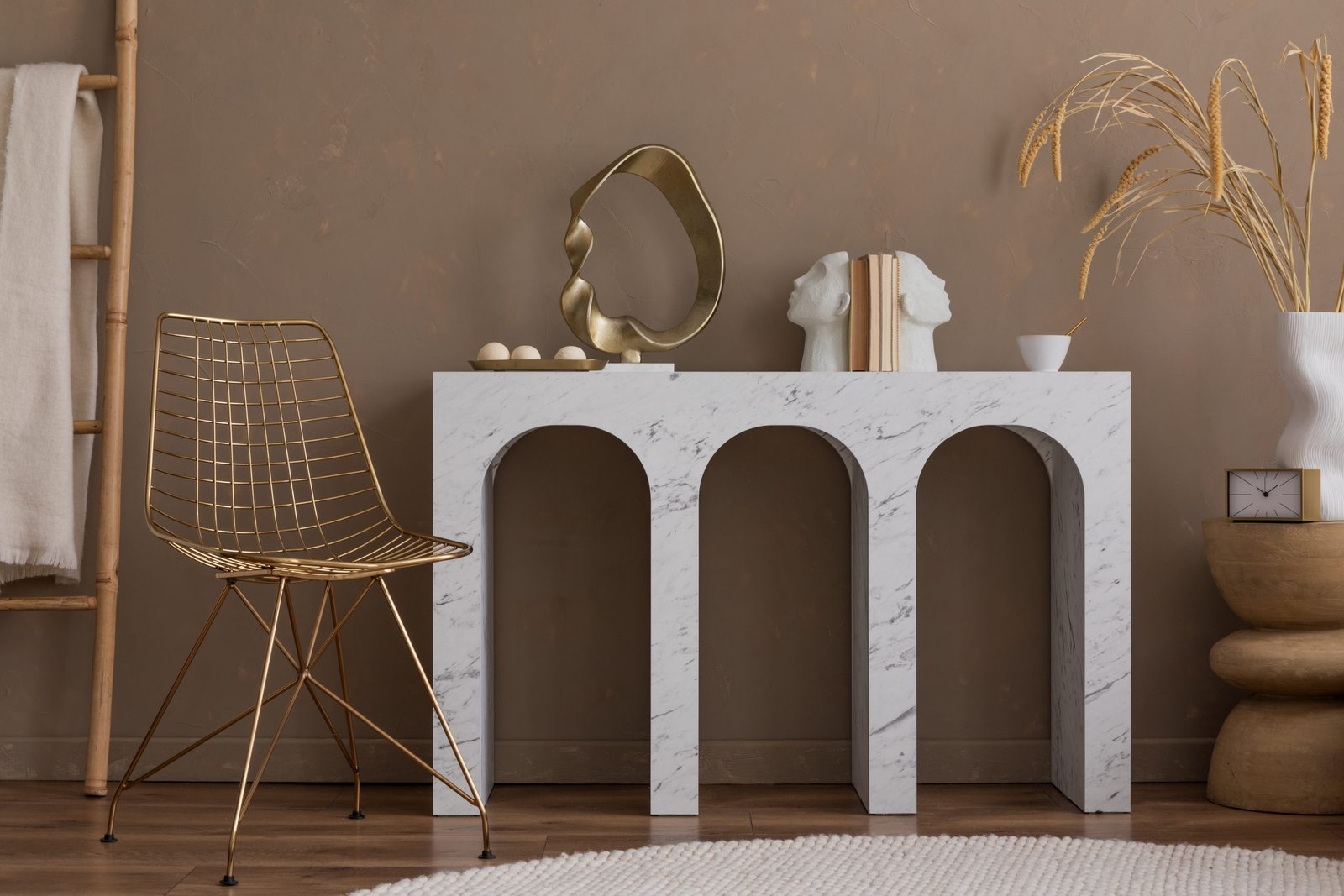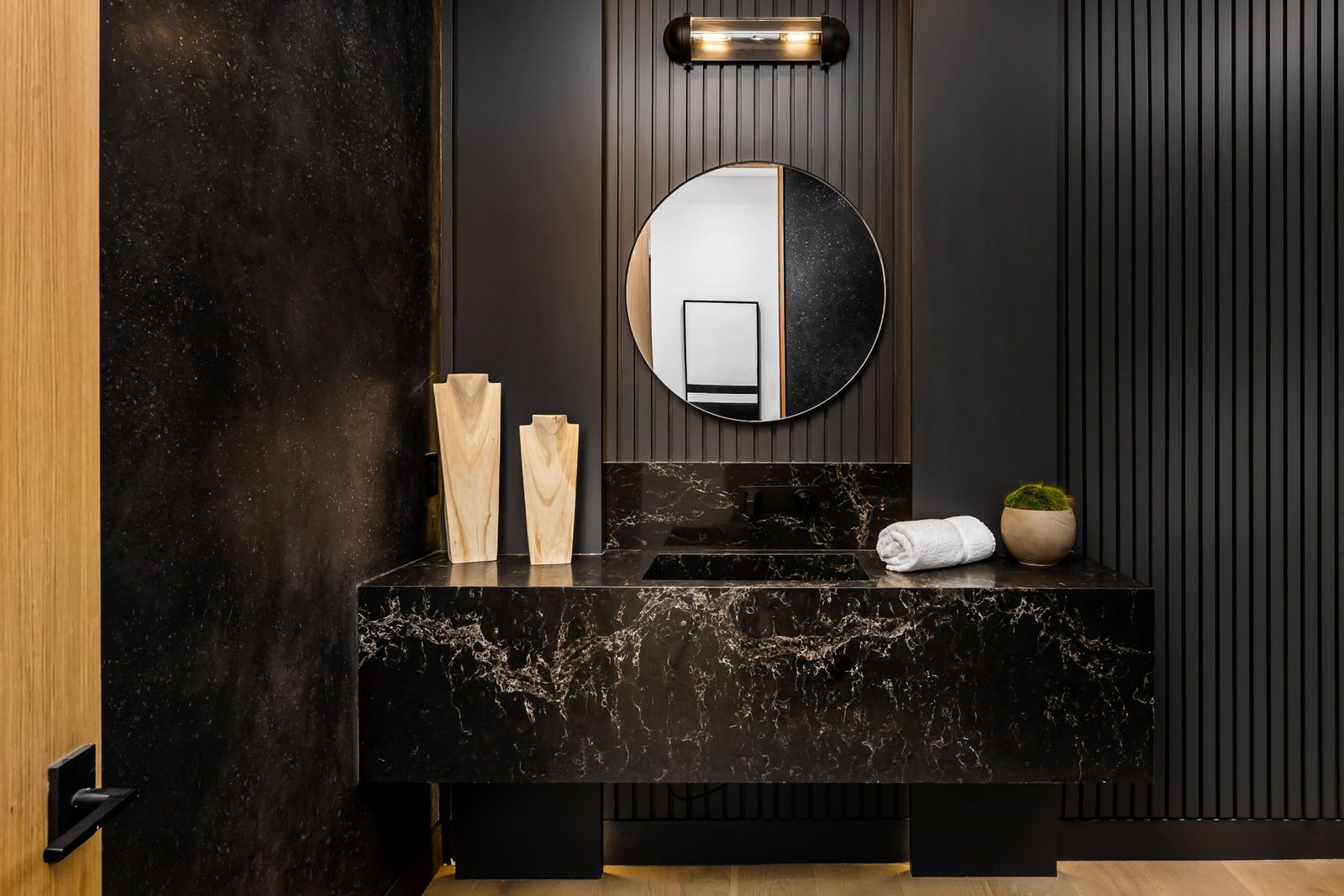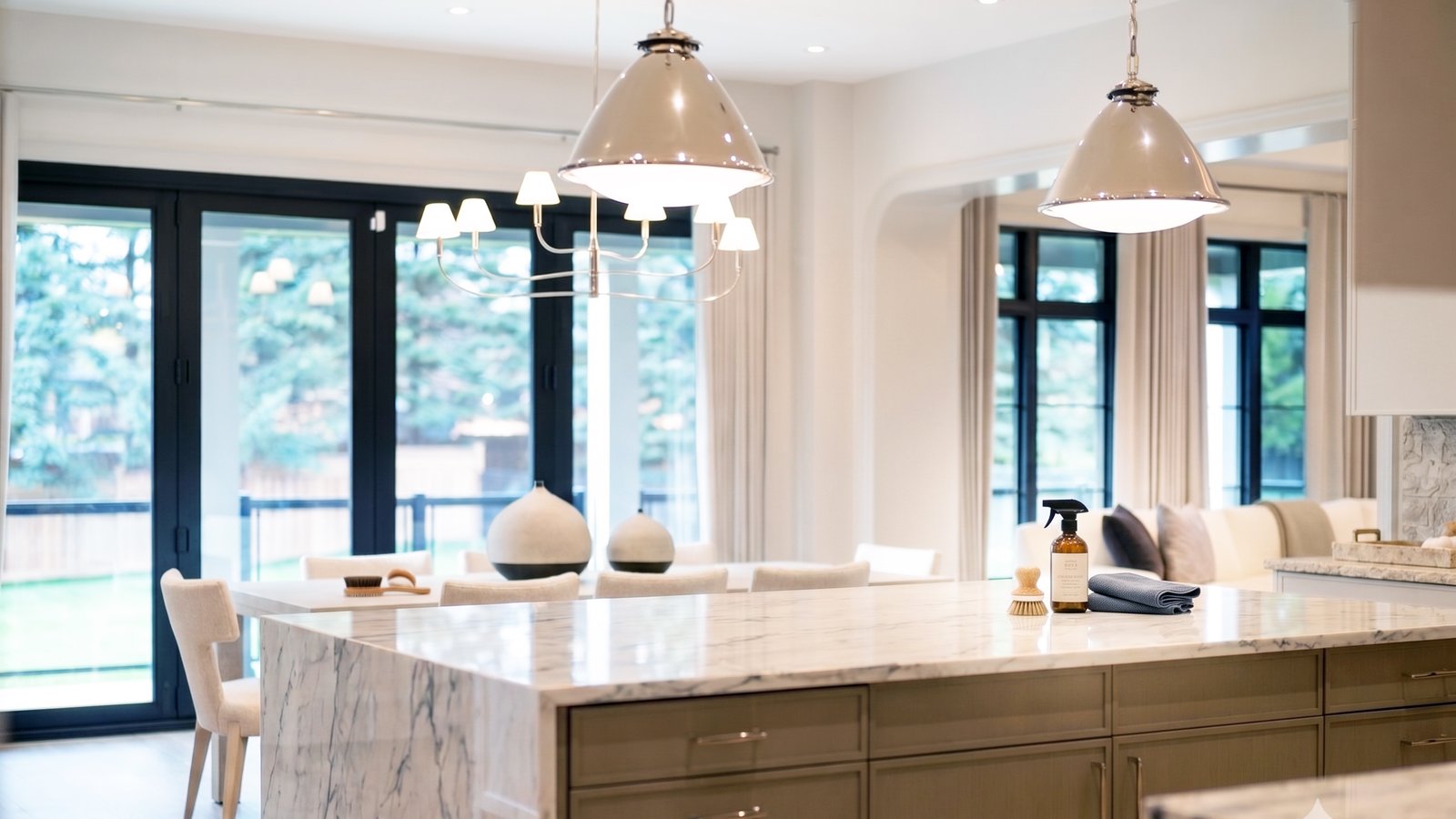
A refined kitchen does not begin with the countertop alone. It begins with proportion, light, cabinetry, movement, and the way every surface contributes to the room’s overall atmosphere. Italian marble plays a powerful role in that process because it brings natural variation to one of the most-used spaces in the home.
For Atlanta homeowners, designers, architects, and builders planning a luxury kitchen, Italian marble countertops offer more than visual appeal. They can define the tone of the room, soften architectural lines, create contrast, or turn a kitchen island into the central design feature.
The strongest marble selections are not based solely on the stone’s name. They are based on how the slab works with the kitchen’s layout, scale, lighting, and surrounding materials.
Why Italian Marble Works in Refined Kitchens
Italian marble has a distinct ability to make a kitchen feel both composed and personal. Its natural movement prevents the room from feeling flat, while its tone and veining help shape the mood of the space.
In a kitchen with simple cabinetry, Italian marble can introduce character. In a kitchen with detailed millwork, it can add softness and balance. In a modern space, a marble slab can create contrast against clean lines. In a traditional home, it can reinforce a sense of permanence and elegance.
This is why Italian marble remains relevant across different kitchen styles. It does not belong to one design era. It can be used in quiet, classic interiors or in more expressive spaces where the stone becomes the visual center of the room.
Start with the Kitchen’s Main Surface
Before choosing a marble style, it helps to identify the kitchen’s most important surface. In many luxury kitchens, that surface is the island.
The island is often where the eye lands first. It may also function as a preparation area, seating area, serving surface, and gathering place. Because of its scale and visibility, the island can usually support stronger stone movement than smaller perimeter counters.
When selecting Italian marble for a kitchen island, consider:
- Slab movement: Does the veining flow naturally across the length of the island?
- Background tone: Does the stone feel bright, warm, cool, or dramatic?
- Visual scale: Is the pattern large enough for the island size?
- Waterfall edges: Will the veining continue down the sides?
- Surrounding finishes: Will the marble work with the cabinetry, flooring, and hardware?
A kitchen island does not always need the boldest slab available. It needs the slab that feels most intentional within the design.
Perimeter Countertops Need a Different Approach
Perimeter countertops often function differently from island countertops. They usually sit beneath cabinetry, near appliances, around sinks, and along walls. Because they interact with more functional zones, the stone selection may need to feel more controlled.
A softer Italian marble can work well for perimeter counters when the island already carries strong movement. This creates a balance between the main focal point and the surrounding surfaces. In other kitchens, the same marble may be used throughout to create continuity.
For more layered designs, homeowners and designers may choose one stone for the island and a quieter stone for the perimeter. This approach allows the kitchen to have contrast without feeling crowded.
The right choice depends on whether the project needs unity, contrast, restraint, or visual drama.
Matching Marble with Cabinetry
Cabinetry has a major influence on how Italian marble appears in a kitchen. The same slab can feel very different depending on whether it is paired with white cabinetry, warm wood, dark millwork, or painted finishes.
Here are a few design directions to consider:
- White cabinetry can make Italian marble feel clean, bright, and timeless.
- Warm wood cabinetry can soften white or grey marble and bring natural depth into the room.
- Dark cabinetry can create a strong contrast and make lighter marble feel more architectural.
- Soft neutral cabinetry can support warmer marble tones without competing with the stone.
- Minimal cabinetry profiles can allow more expressive veining to stand out.
The goal is not to match everything exactly but to create a relationship between the stone and the surrounding materials.
Lighting Changes How Marble Reads
Lighting can shift the appearance of Italian marble throughout the day. Natural daylight may reveal subtle veining and background tones, while evening lighting may make the same stone feel warmer or more dramatic.
Before selecting a slab, consider how the kitchen is lit:
1. Does the room receive strong natural light?
2. Will pendant lights hang above the island?
3. Is there under-cabinet lighting along the perimeter?
4. Are the walls and floors warm or cool in tone?
5. Will the marble be seen mostly during the day, evening, or both?
The National Kitchen & Bath Association emphasizes the importance of planning kitchen spaces around function, clearances, work areas, and usability. Those same planning decisions can affect where natural stone is most visible and how the countertop surfaces are experienced in daily use: NKBA Kitchen Planning Guidelines.
For Italian marble countertops, lighting and layout should work together. A beautifully selected slab deserves placement where its movement, depth, and surface detail can be appreciated.
White, Warm, Grey, and Dramatic Marble Looks
Italian marble offers a wide range of visual directions for Atlanta kitchens. Rather than beginning with a single material name, it is often more useful to begin with the intended look.
- White Italian marble can bring brightness and clarity to the kitchen. It works well in classic, transitional, and contemporary interiors.
- Warm Italian marble can soften a kitchen and pair well with wood, brass, bronze, and creamy neutral finishes.
- Grey Italian marble can introduce a quieter architectural tone, especially in spaces with cooler palettes or more restrained design details.
- Dramatic Italian marble can serve as the central statement, especially on islands, backsplashes, and waterfall applications.
Calacatta marble can be included within this conversation, but it should not be the only direction considered. Arabescato, Statuario, Carrara, Paonazzo, and other Italian marble styles may each support a different design goal.
When a Kitchen Needs a Statement Slab
Statement slabs are most effective when the kitchen design provides enough visual space for the stone to breathe. Achieving this balance usually requires careful editing of the surrounding elements.
For example, pairing a bold Italian marble island with quieter cabinetry, simplified hardware, and controlled lighting ensures the material remains the focal point. Similarly, dramatic backsplashes or full-height marble applications often benefit from open wall space and restraint elsewhere in the room, preventing the stone from competing with excessive details.
In luxury kitchen design, restraint often makes the marble feel more powerful. The fewer distractions around the stone, the more intentional the material appears.
How Bottega Surfaces Atlanta Supports Kitchen Stone Selection
For clients exploring Italian marble countertops in Atlanta, the Bottega Surfaces showroom offers an opportunity to evaluate stone in person. Full slabs allow designers and homeowners to study movement, tone, scale, and finish before making a selection.
This is especially important for kitchens because the stone must work visually and functionally across multiple surfaces. A slab may look beautiful on its own, but it should also support the cabinetry, island size, lighting plan, and overall design language.
Related micro content placeholder: [Italian Marble Kitchen Islands: Why One Slab Can Define the Entire Room]
Begin with the Right Stone
Italian marble countertops can bring refinement, depth, and individuality to an Atlanta kitchen. Whether the goal is a quiet white marble kitchen, a warm natural stone palette, or a dramatic island with expressive veining, the right selection begins with seeing the material clearly.
Bottega Surfaces offers curated Italian marble, quartzite, limestone, granite, and specialty natural stone for luxury residential and commercial interiors.
Schedule a Showroom Visit, Book an Online Inquiry, or View Stock to explore available natural stone selections.